













Efficiency can sound like a magic word. It implies a savings of costs and time, and it can be music to the ears of those managing a bottom line. Often though, efficiencies come with a downside.
It can mean fewer staff members to manage the same amount of work. That equation can mean a diminished output in both quality and quantity. And those things put together, in a healthcare setting, often translates to negative impacts on the patients seeking care.
Telepsychiatry goes against that conventional storyline.
Not only does it allow healthcare organizations and health systems to achieve efficiencies, but it does it without compromising care. As a leader in telepsychiatry partnerships, we’ve seen it happen, over and over again.
While it is useful in urban areas, telepsychiatry is particularly valuable in rural communities where mental and behavioral health care disparities are more pronounced despite a similar prevalence of need. To understand the value of the solution, it’s best to become familiar with the scope of the challenge.
The Rural Healthcare Landscape
The story of rural healthcare, in general, begins with those living there having less access to treatment than individuals living in more urban communities. On average, rural residents have fewer options to choose from for healthcare and the ones that are available require them to travel further from their homes.
These realities touch all aspects of care, from primary care to OB/GYNs to emergency care and behavioral health care.
In addition to access challenges for patients, recruiting and retaining providers to serve in rural areas has been a difficult obstacle for healthcare organizations to get around. With limited providers, and limited specialities, patients trying to access care locally often encounter long wait times. Sometimes, the care they need isn’t available at all in their community.
The Telepsychiatry Advantage
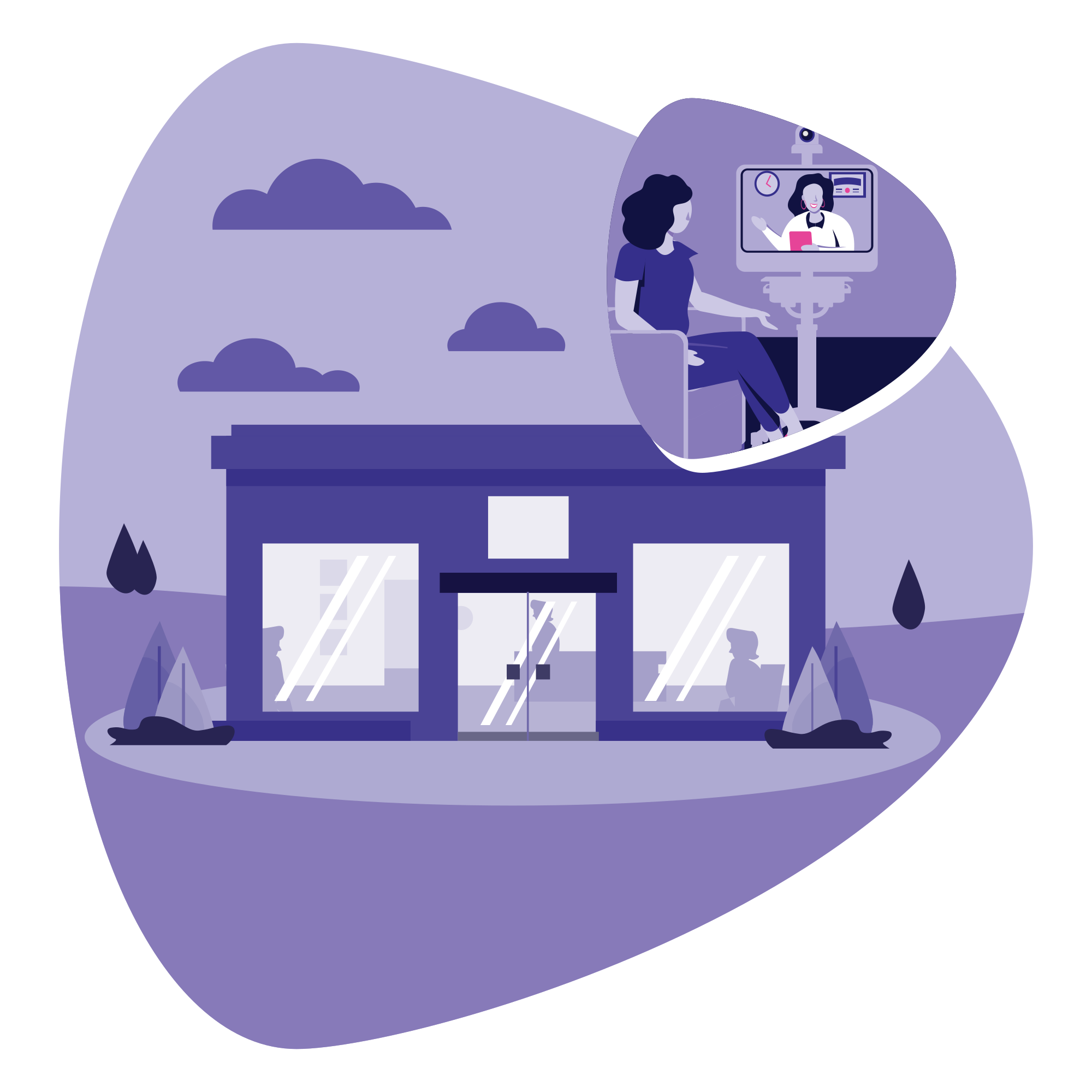
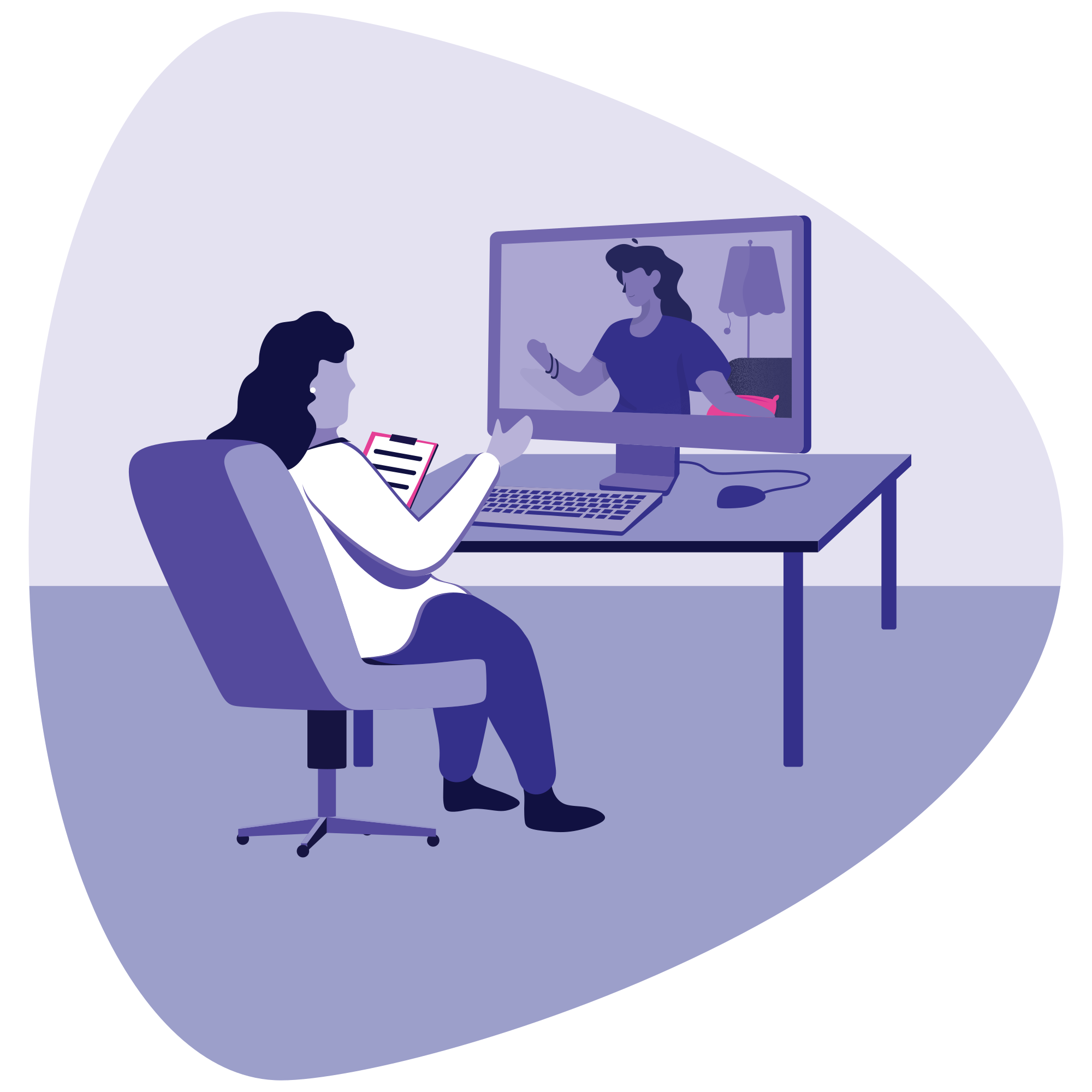
When faced with recruiting challenges and obstacles related to little or no access to specialists, healthcare organizations and health systems are able to tap into what they need through a telepsychiatry partnership. By partnering with Iris Telehealth, rural healthcare organizations are able to efficiently expand their clinical teams in a way that meets the specific needs of the community they serve.
Adding remote specialists who integrate into an on-site team, carry patient loads and collaboratively consult on patient progress allows for rural health organizations to reduce wait times for patients and provide patients with specialists they would have otherwise had to drive outside of their community to see.
And unlike a locum tenen, remote providers with Iris offer long-term solutions, creating continuity and sustainability for patients who need it most.
Telepsychiatry isn’t only useful for organizations offering mental and behavioral health treatment, either. Studies have shown that when telepsychiatry is integrated into primary care, as it is done at a number of Federally Qualified Health Centers and Community Health Clinics, it becomes a force multiplier.
It has been shown to not only get patients to care who need it, but connect patients with mental or behavioral health care who otherwise would have gone undiagnosed and not accessed are at all.
At Iris, our partnerships — particularly in rural areas — have experienced tremendous success in improving access to care, decreasing wait times for patients and creating more capacity for providers. If your organization would like to explore the benefits of integrating telepsychiatry providers into its clinical teams, reach out.
We can configure a solution tailored to the challenges you’re facing. Contact us to learn more.